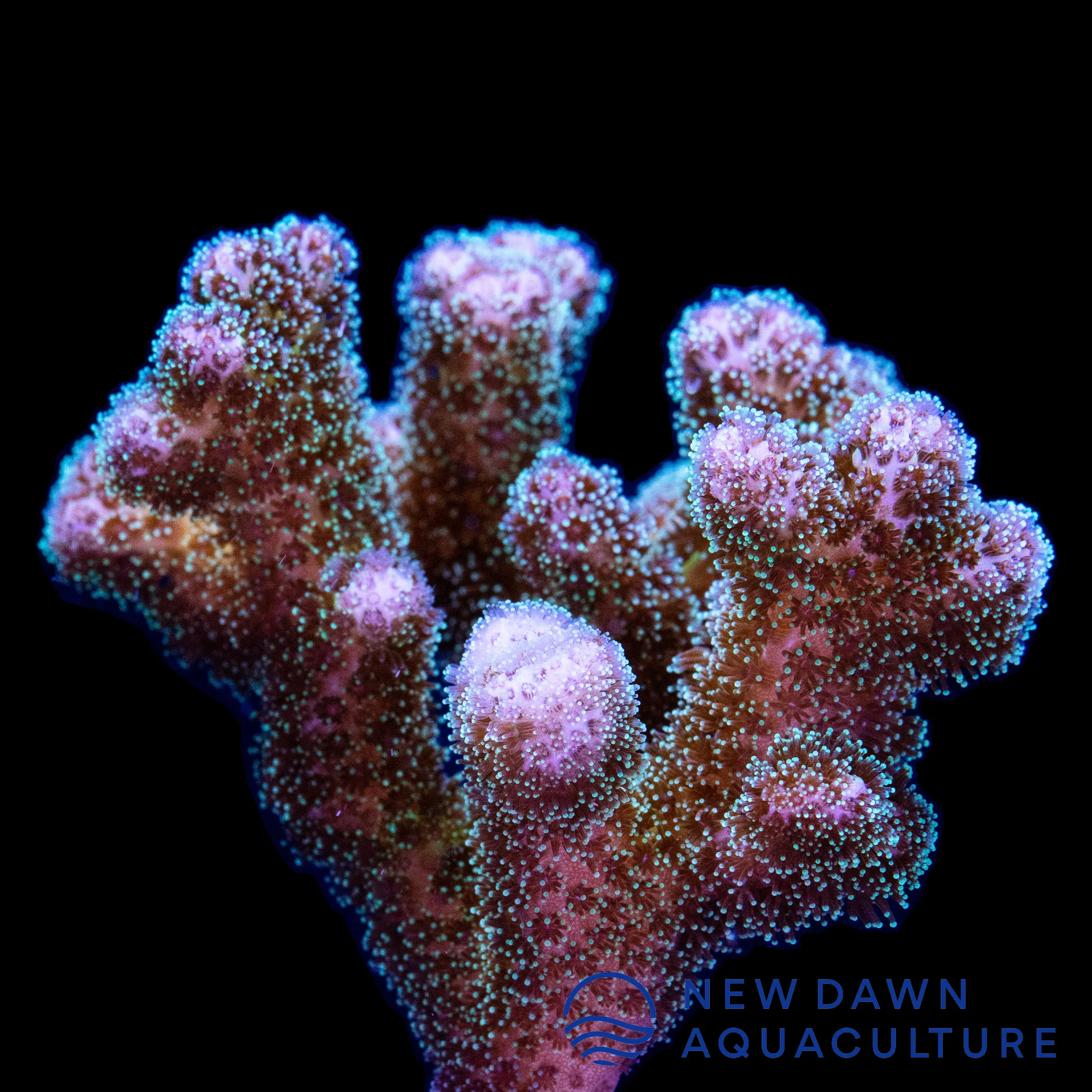
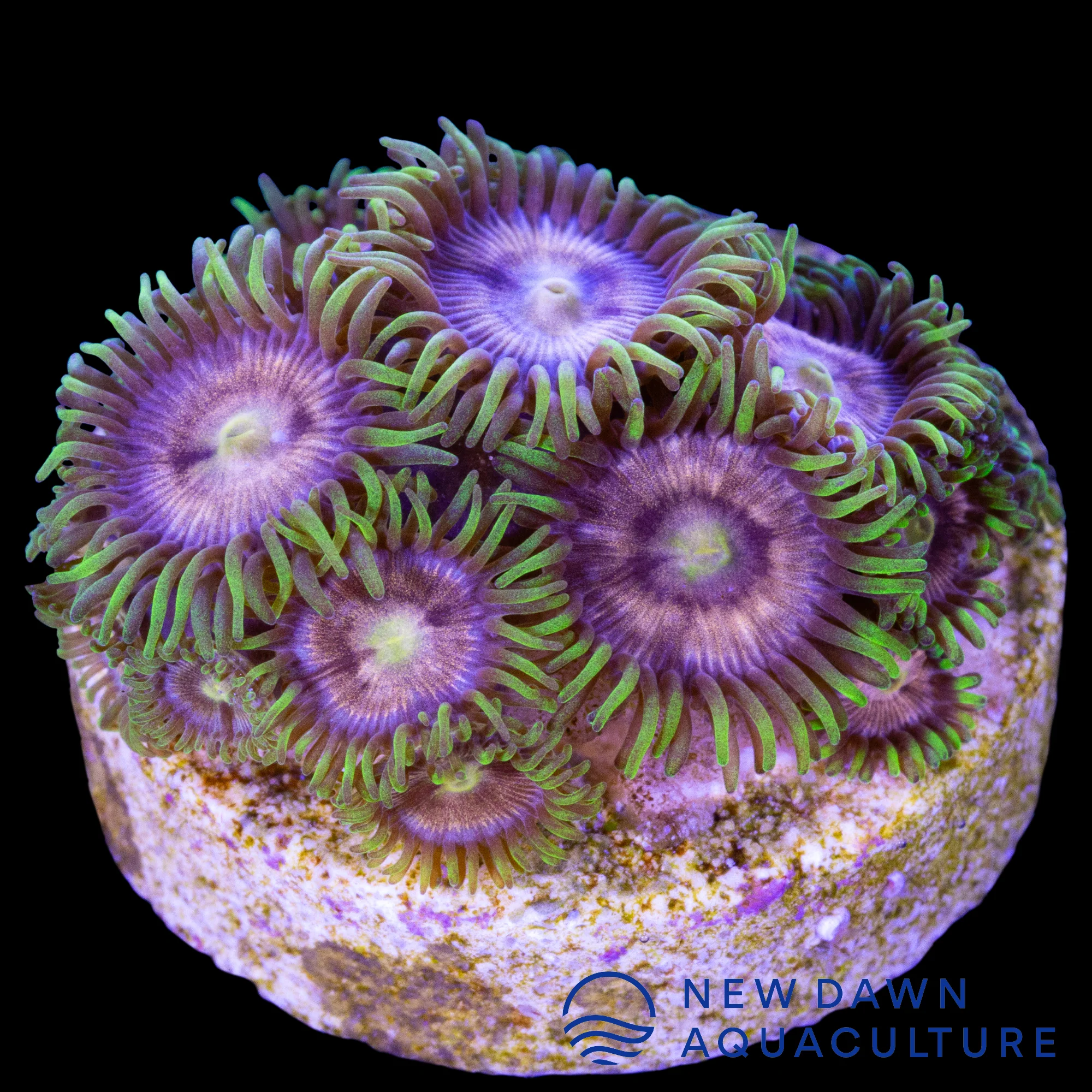
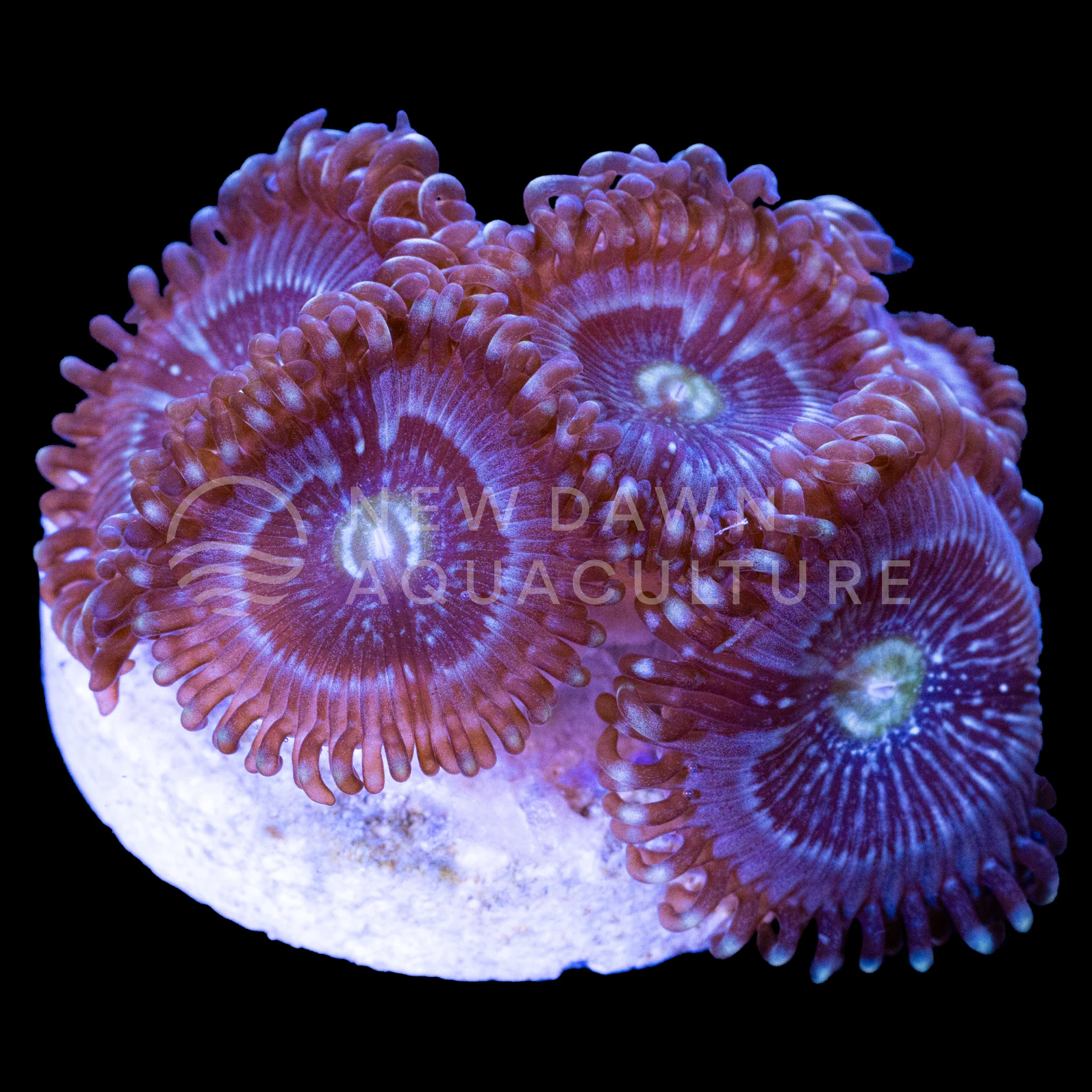
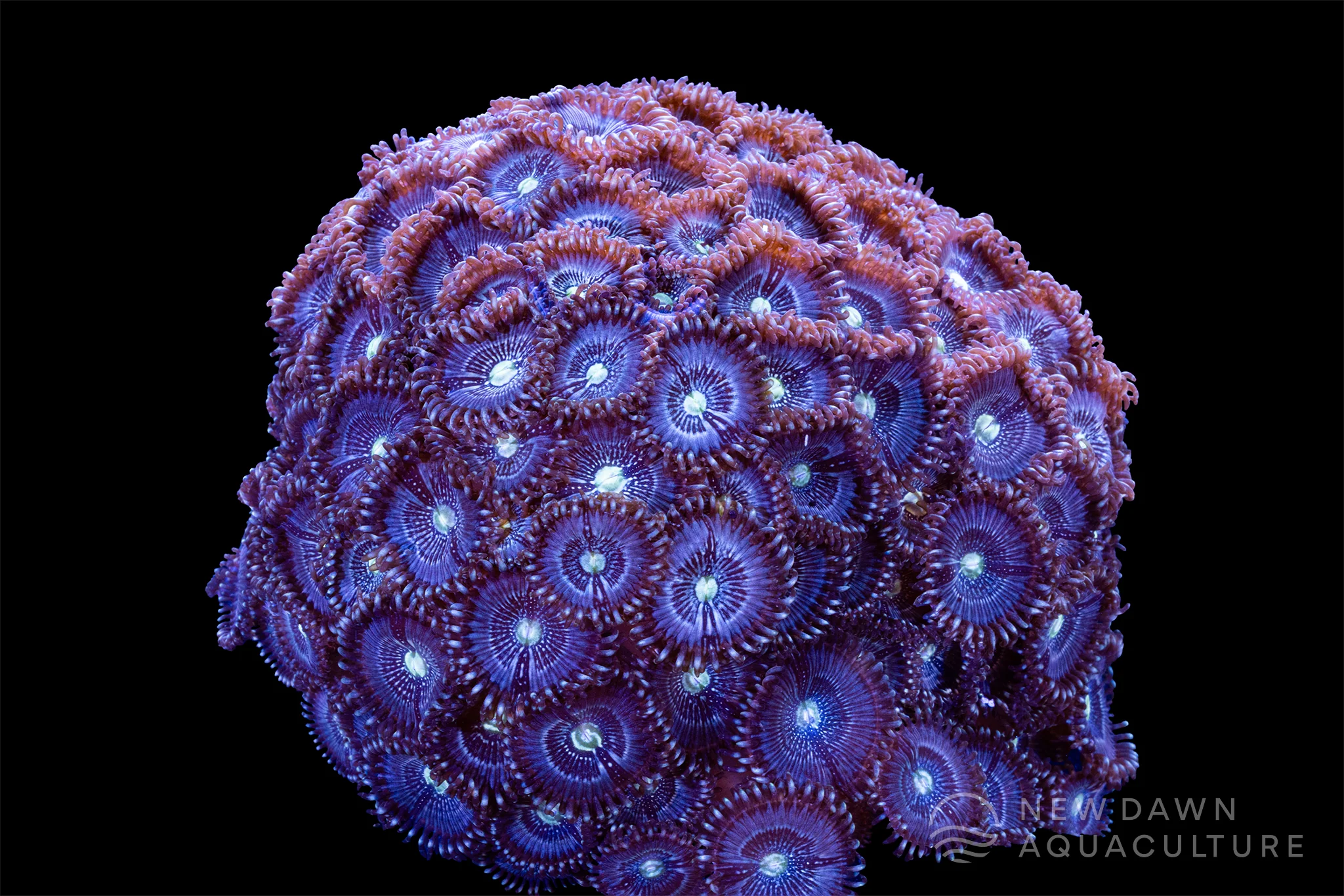
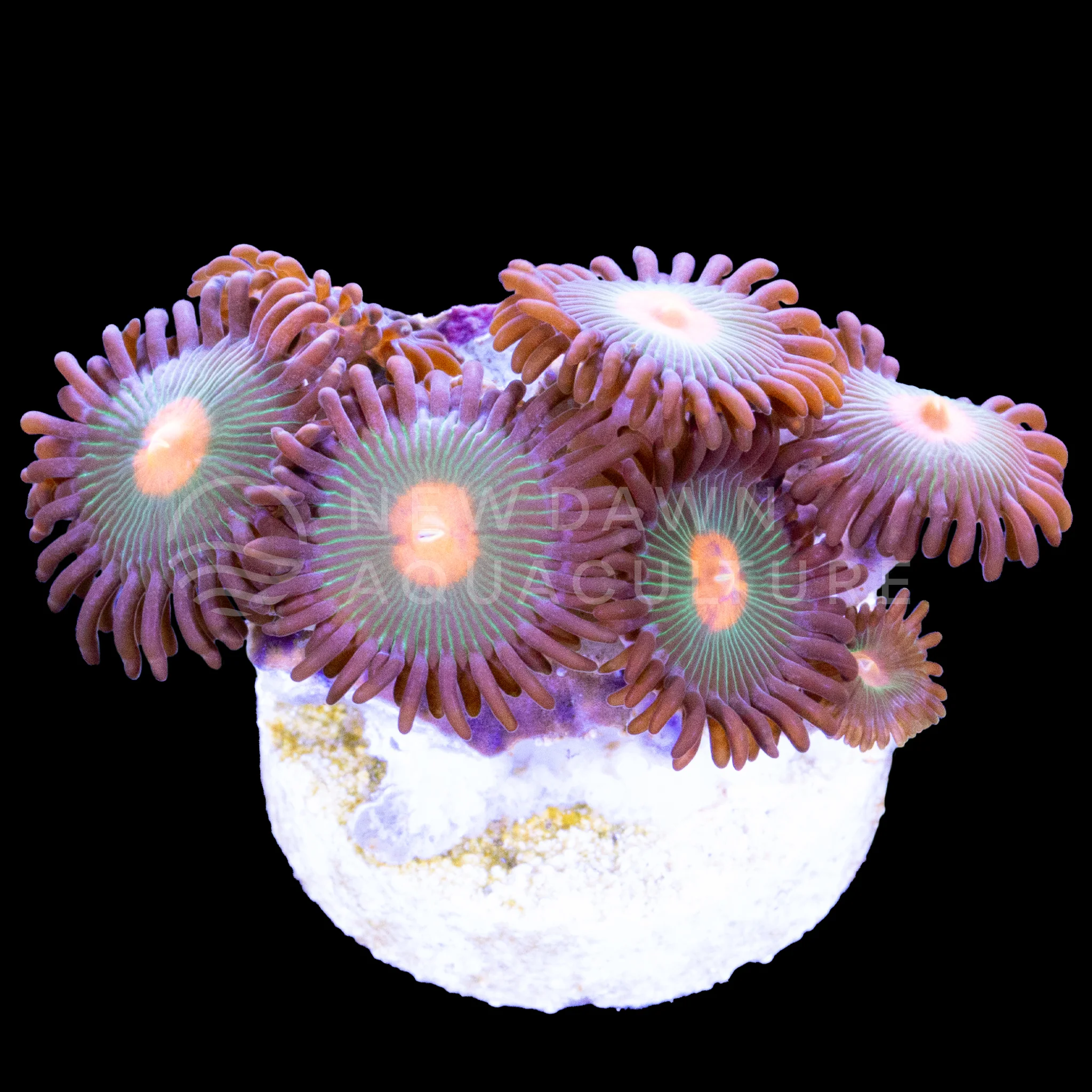
Green Goblin Anacropora
Coral Overview
- Taxonomy: Anacropora forbesi
- Coral type: SPS
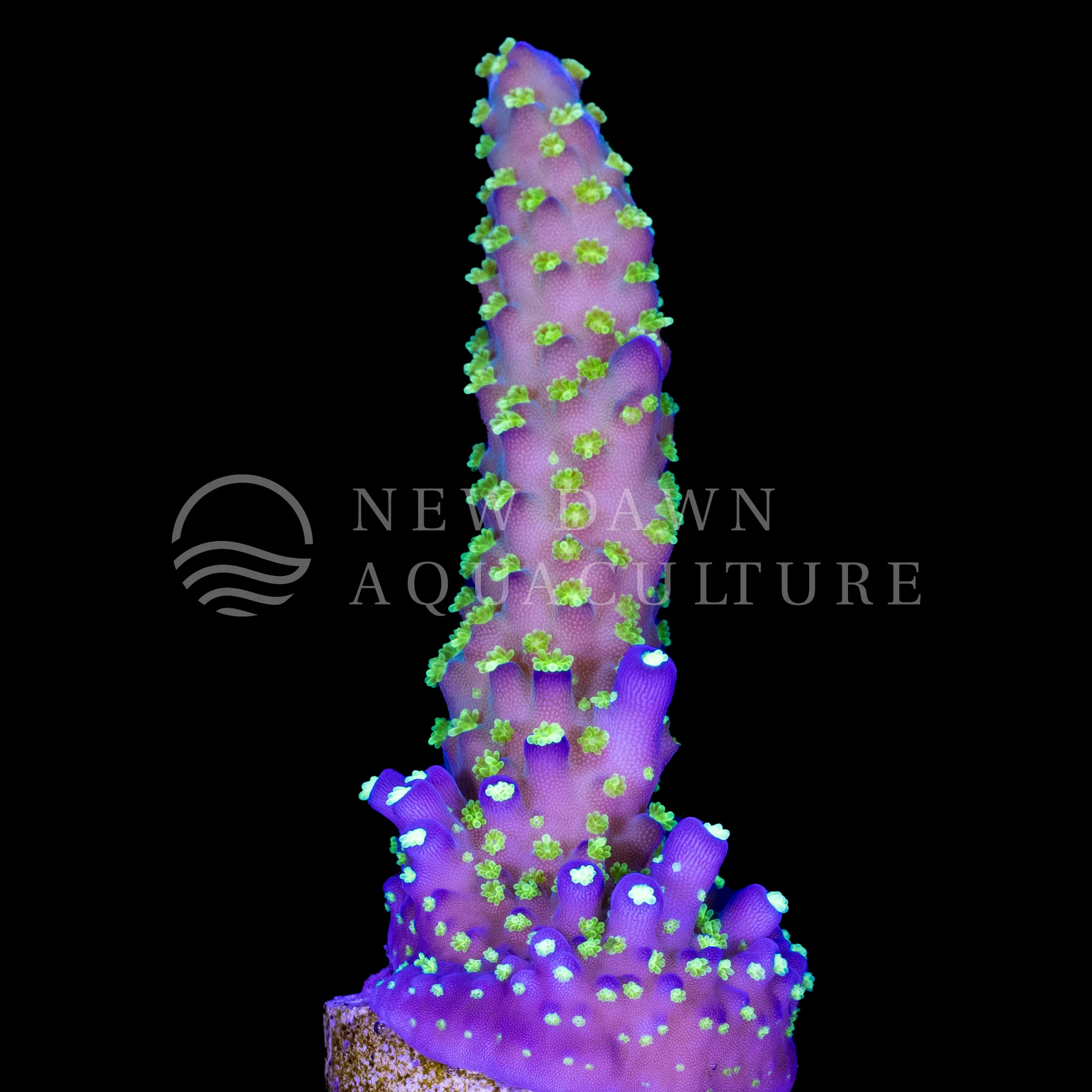
- Primary color: green (typically bright green to lime under strong lighting)
- Secondary accents: may show lighter growth tips under higher PAR and stable nutrients
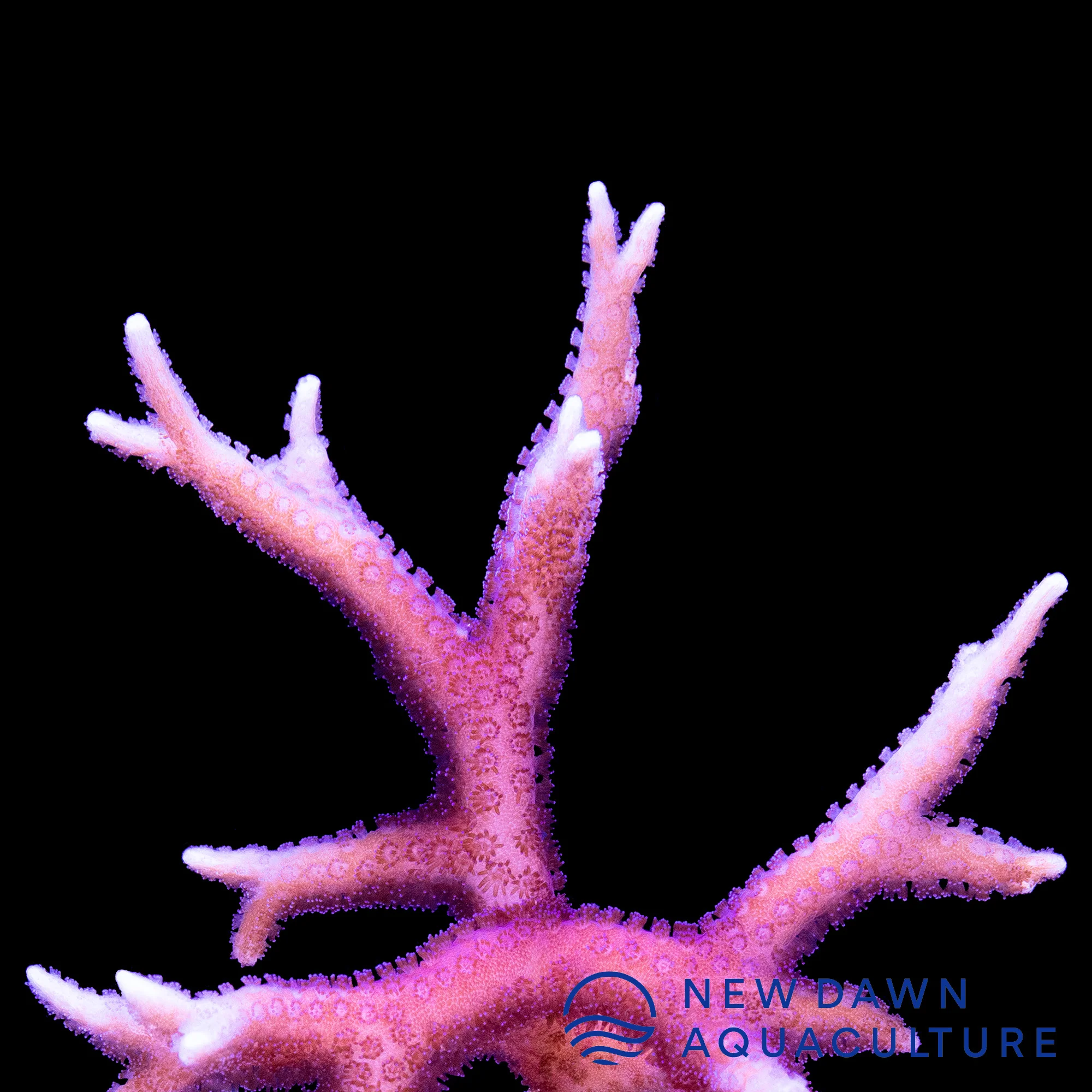
- Growth form: fine branching, open structure (lighter, more delicate branches than many Acropora)
Care Requirements
- Care level: Intermediate (rewards stability)
- Lighting: High
- Flow: Strong, turbulent (aim to keep detritus off the branches and maintain consistent polyp extension)
- Placement: Mid to upper rockwork once acclimated; start slightly lower if your PAR is very high and ramp up over 1 to 2 weeks
- Aggression/Sweepers: Low for an SPS, but can still sting neighbors at close range; give spacing for growth and flow
Feeding & Nutrition
Even with high light, SPS do best with consistent, fine-particulate nutrition and a healthy microbiome. For this coral, focus on steady inputs rather than occasional heavy feeding.
- Planktura Coral Shots (live phytoplankton): supports a more complete food web (pods, microfauna, filter feeders), helping keep SPS systems biologically fed without relying on “dirty” feeding.
- Planktura Bacto Fuel (live bacteria): supports microbial diversity and nutrient processing, helping keep nutrients available and stable rather than swinging between ultra-low and excess.
Practical tip: prioritize consistency. Small daily or near-daily feeding tends to outperform occasional large doses for SPS coloration and stability.
Best At
Best used as a “texture coral” in SPS layouts: it adds fine branching detail and open structure that contrasts well against thicker-branching Acropora and plating Montipora. In strong, chaotic flow, it can develop a clean, crisp look with strong polyp presentation.
Known Sensitivities
- Alkalinity instability: rapid alkalinity changes are a common trigger for recession in branching SPS.
- Nutrient bottoming-out: very low nitrate/phosphate systems can lead to pale tissue and reduced resilience.
- Handling and mounting stress: delicate branching corals can be more prone to breakage; secure placement and avoid repeated repositioning.
- Pests: always dip and inspect for common SPS hitchhikers before introduction.
Common Names
- Green Goblin Anacropora
- Green Anacropora
- Branching Anacropora
Common Misidentifications
- Acropora sp. (similar branching silhouette, but different skeletal structure and typical branch thickness)
- Seriatopora sp. (birdsnest, often finer and denser branching)
- Pocillopora sp. (often shows different polyp texture and branch form)
Shipping & Guarantee
Review shipping timelines and requirements before ordering: Shipping.
Your coral is covered by our policy details here: Arrive Alive Guarantee.
Product Information
Product Information
Shipping & Returns
Shipping & Returns

Green Goblin Anacropora
Green Goblin Anacropora
Coral Overview
- Taxonomy: Anacropora forbesi
- Coral type: SPS
- Primary color: green (typically bright green to lime under strong lighting)
- Secondary accents: may show lighter growth tips under higher PAR and stable nutrients
- Growth form: fine branching, open structure (lighter, more delicate branches than many Acropora)
Care Requirements
- Care level: Intermediate (rewards stability)
- Lighting: High
- Flow: Strong, turbulent (aim to keep detritus off the branches and maintain consistent polyp extension)
- Placement: Mid to upper rockwork once acclimated; start slightly lower if your PAR is very high and ramp up over 1 to 2 weeks
- Aggression/Sweepers: Low for an SPS, but can still sting neighbors at close range; give spacing for growth and flow
Feeding & Nutrition
Even with high light, SPS do best with consistent, fine-particulate nutrition and a healthy microbiome. For this coral, focus on steady inputs rather than occasional heavy feeding.
- Planktura Coral Shots (live phytoplankton): supports a more complete food web (pods, microfauna, filter feeders), helping keep SPS systems biologically fed without relying on “dirty” feeding.
- Planktura Bacto Fuel (live bacteria): supports microbial diversity and nutrient processing, helping keep nutrients available and stable rather than swinging between ultra-low and excess.
Practical tip: prioritize consistency. Small daily or near-daily feeding tends to outperform occasional large doses for SPS coloration and stability.
Best At
Best used as a “texture coral” in SPS layouts: it adds fine branching detail and open structure that contrasts well against thicker-branching Acropora and plating Montipora. In strong, chaotic flow, it can develop a clean, crisp look with strong polyp presentation.
Known Sensitivities
- Alkalinity instability: rapid alkalinity changes are a common trigger for recession in branching SPS.
- Nutrient bottoming-out: very low nitrate/phosphate systems can lead to pale tissue and reduced resilience.
- Handling and mounting stress: delicate branching corals can be more prone to breakage; secure placement and avoid repeated repositioning.
- Pests: always dip and inspect for common SPS hitchhikers before introduction.
Common Names
- Green Goblin Anacropora
- Green Anacropora
- Branching Anacropora
Common Misidentifications
- Acropora sp. (similar branching silhouette, but different skeletal structure and typical branch thickness)
- Seriatopora sp. (birdsnest, often finer and denser branching)
- Pocillopora sp. (often shows different polyp texture and branch form)
Shipping & Guarantee
Review shipping timelines and requirements before ordering: Shipping.
Your coral is covered by our policy details here: Arrive Alive Guarantee.
Product Information
Product Information
Shipping & Returns
Shipping & Returns
Description
Coral Overview
- Taxonomy: Anacropora forbesi
- Coral type: SPS
- Primary color: green (typically bright green to lime under strong lighting)
- Secondary accents: may show lighter growth tips under higher PAR and stable nutrients
- Growth form: fine branching, open structure (lighter, more delicate branches than many Acropora)
Care Requirements
- Care level: Intermediate (rewards stability)
- Lighting: High
- Flow: Strong, turbulent (aim to keep detritus off the branches and maintain consistent polyp extension)
- Placement: Mid to upper rockwork once acclimated; start slightly lower if your PAR is very high and ramp up over 1 to 2 weeks
- Aggression/Sweepers: Low for an SPS, but can still sting neighbors at close range; give spacing for growth and flow
Feeding & Nutrition
Even with high light, SPS do best with consistent, fine-particulate nutrition and a healthy microbiome. For this coral, focus on steady inputs rather than occasional heavy feeding.
- Planktura Coral Shots (live phytoplankton): supports a more complete food web (pods, microfauna, filter feeders), helping keep SPS systems biologically fed without relying on “dirty” feeding.
- Planktura Bacto Fuel (live bacteria): supports microbial diversity and nutrient processing, helping keep nutrients available and stable rather than swinging between ultra-low and excess.
Practical tip: prioritize consistency. Small daily or near-daily feeding tends to outperform occasional large doses for SPS coloration and stability.
Best At
Best used as a “texture coral” in SPS layouts: it adds fine branching detail and open structure that contrasts well against thicker-branching Acropora and plating Montipora. In strong, chaotic flow, it can develop a clean, crisp look with strong polyp presentation.
Known Sensitivities
- Alkalinity instability: rapid alkalinity changes are a common trigger for recession in branching SPS.
- Nutrient bottoming-out: very low nitrate/phosphate systems can lead to pale tissue and reduced resilience.
- Handling and mounting stress: delicate branching corals can be more prone to breakage; secure placement and avoid repeated repositioning.
- Pests: always dip and inspect for common SPS hitchhikers before introduction.
Common Names
- Green Goblin Anacropora
- Green Anacropora
- Branching Anacropora
Common Misidentifications
- Acropora sp. (similar branching silhouette, but different skeletal structure and typical branch thickness)
- Seriatopora sp. (birdsnest, often finer and denser branching)
- Pocillopora sp. (often shows different polyp texture and branch form)
Shipping & Guarantee
Review shipping timelines and requirements before ordering: Shipping.
Your coral is covered by our policy details here: Arrive Alive Guarantee.