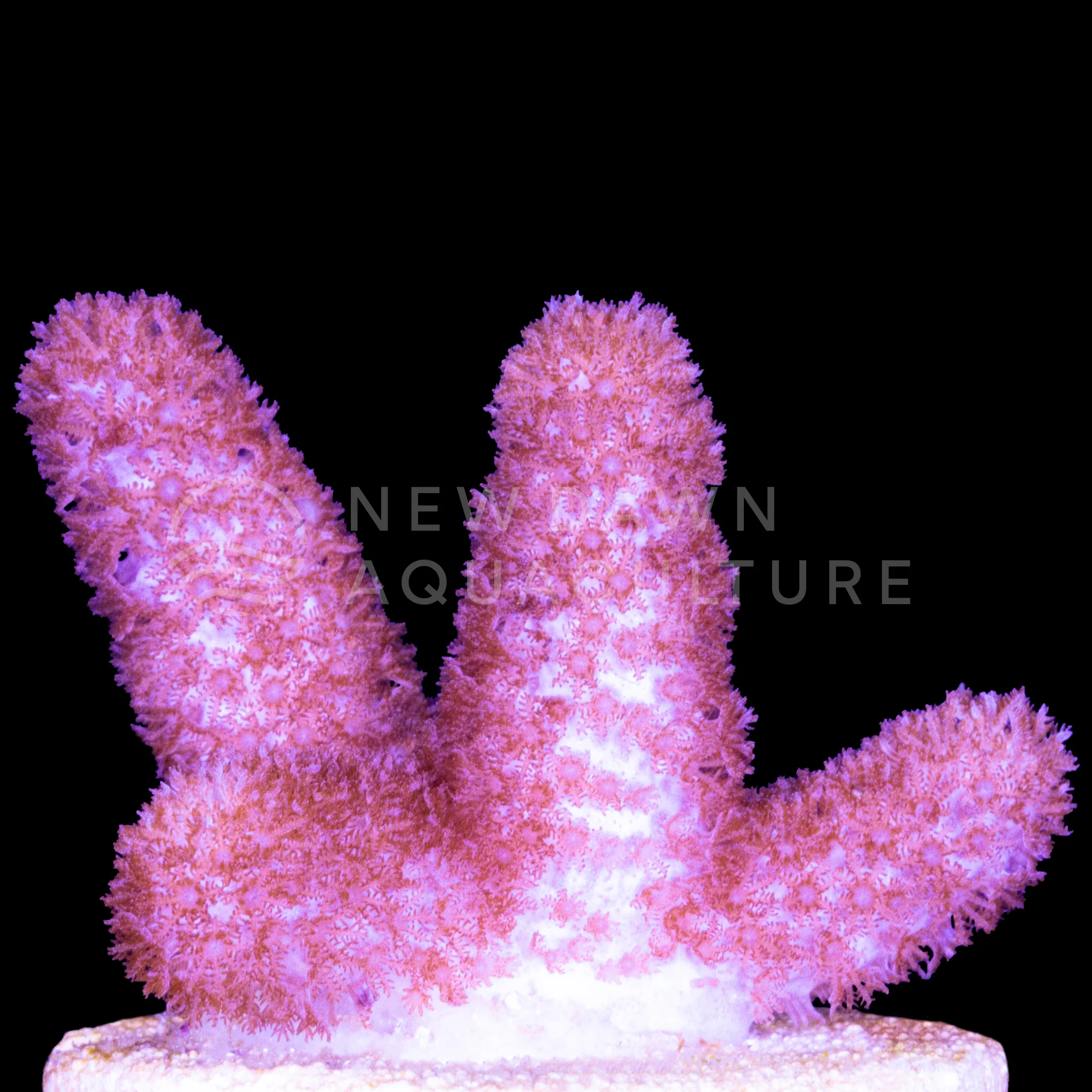
Raspberry Patch Acropora
Raspberry Patch Acropora
Acropora sp.
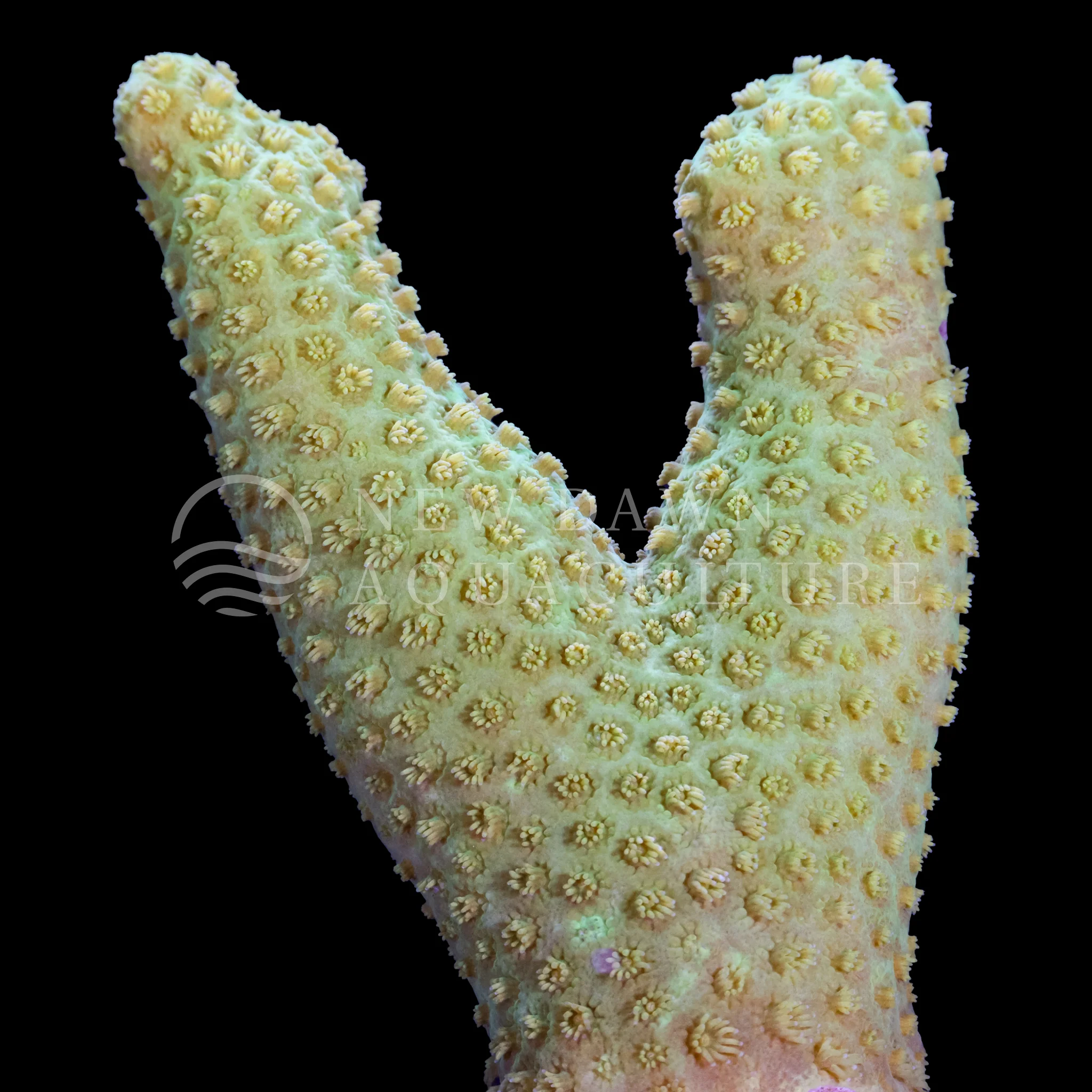
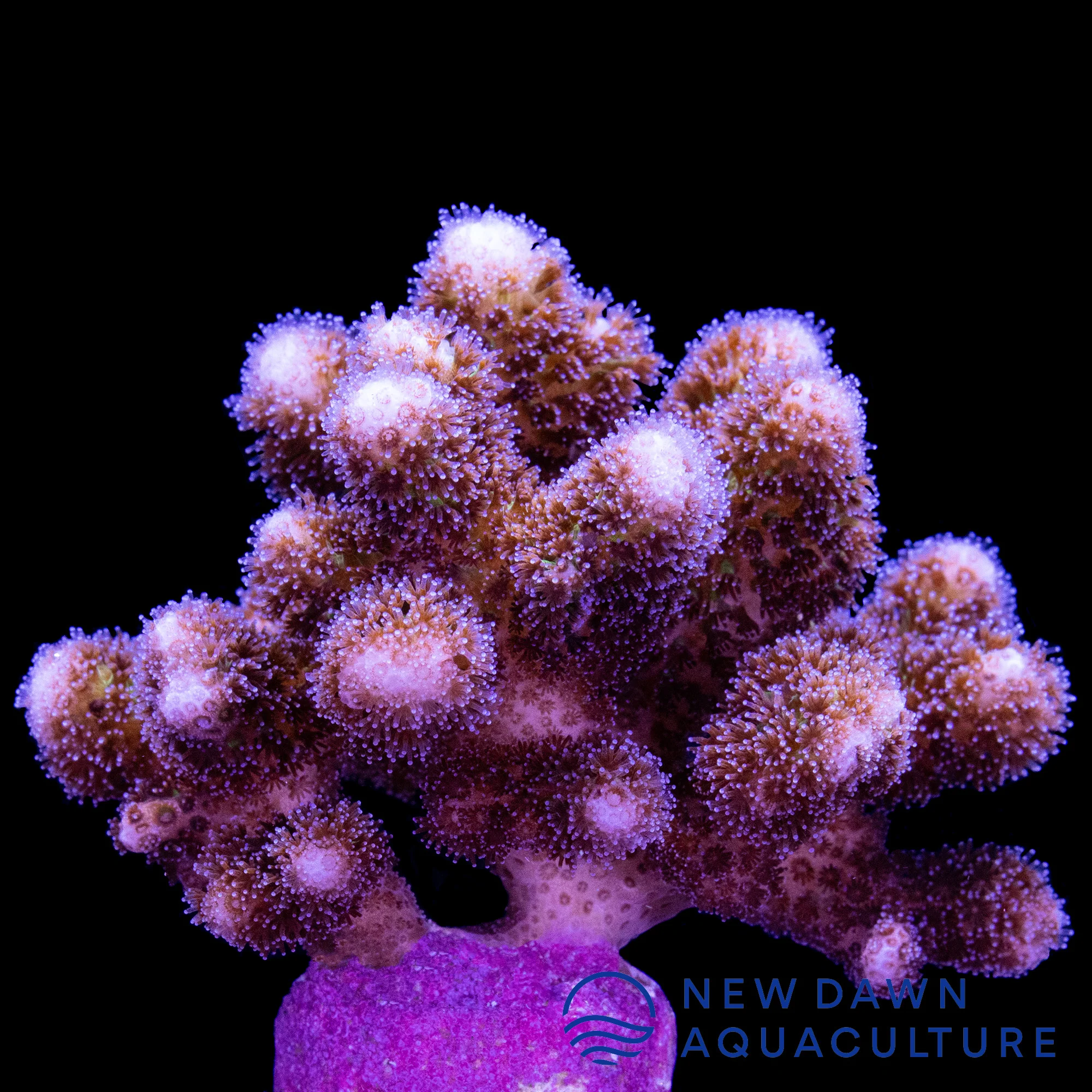
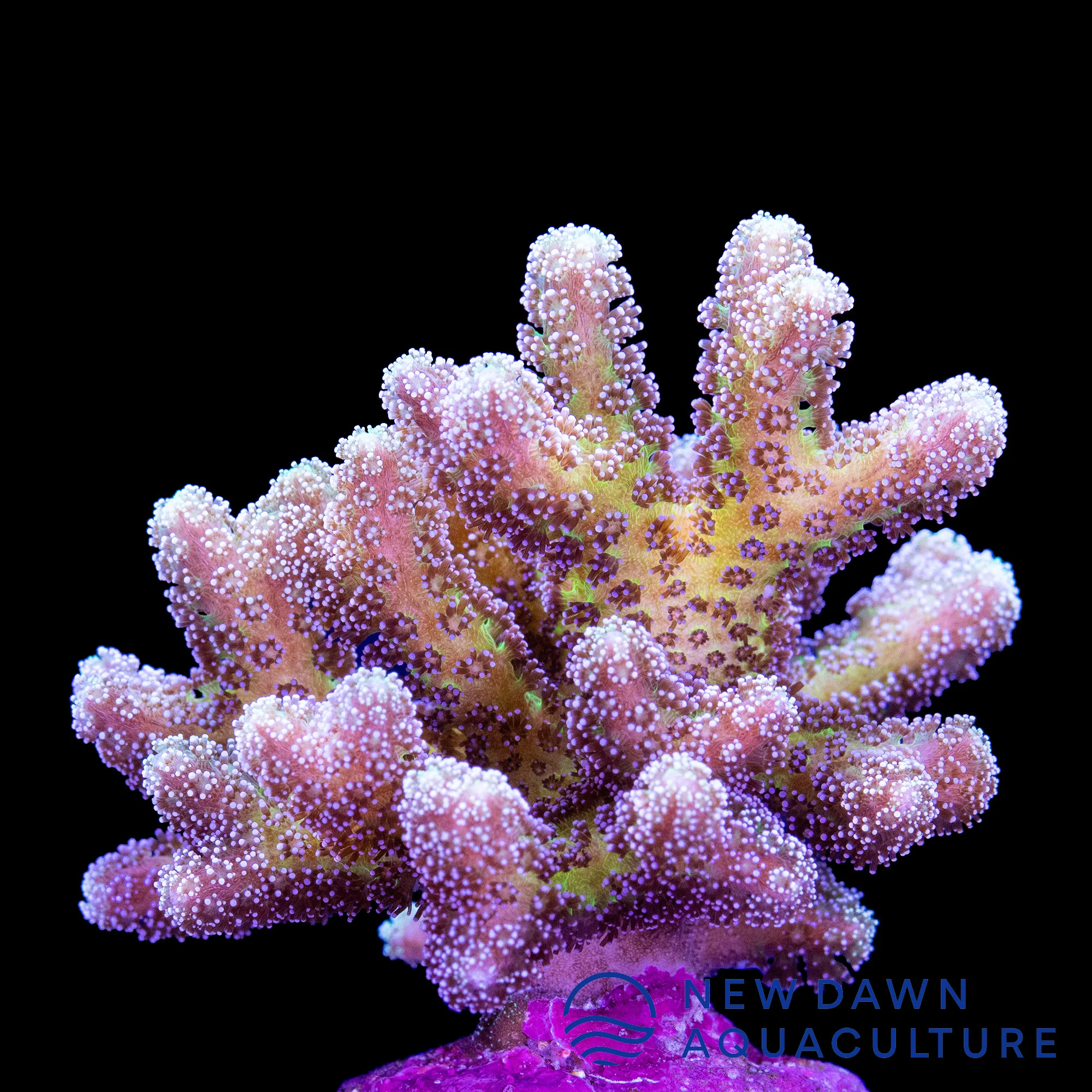
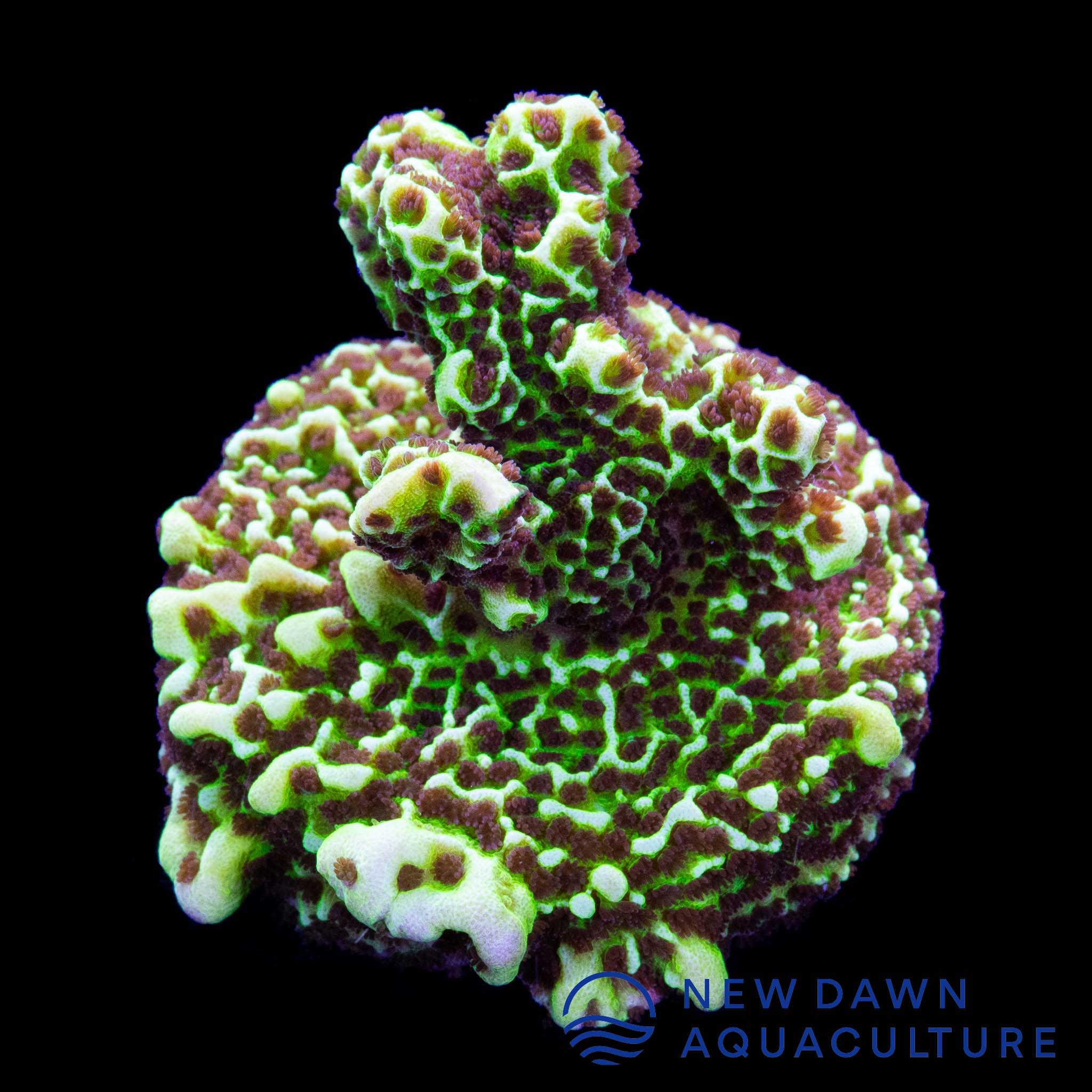
Acropora corals are among the most iconic and sought-after small-polyp stony (SPS) corals in reef aquariums. Known for their intricate branching growth and vibrant coloration, they add architectural depth, texture, and movement to established reef systems. Depending on species and lighting, coloration can range from vivid blues and purples to bright greens, pinks, reds, and multi-tone combinations.
| Care Level | Difficult |
| Lighting | High |
| Water Flow | Strong, randomized |
Overview
Successfully maintaining Acropora is often considered the pinnacle of reef keeping. These corals thrive in stable, mature aquariums with consistent water chemistry, strong lighting, and dynamic water movement. When provided with the right environment, Acropora reward the aquarist with steady growth, vibrant coloration, and impressive colony structure.
There are many recognized species within the genus, displaying a wide range of growth forms including branching, tabling, corymbose, and bushy structures. Long-term success comes not from chasing exact numbers, but from maintaining stability over time.
Water Chemistry
Acropora should be kept in a mature reef aquarium with stable parameters. Sudden swings, particularly in alkalinity, are one of the most common causes of stress in SPS corals. Any adjustments to alkalinity, calcium, or magnesium should be made gradually.
Parameters we aim for in our SPS systems:
| Alkalinity | 8 dKH |
| Calcium | 440 ppm |
| Magnesium | 1320 ppm |
| Nitrate | 10 ppm |
| Phosphate | 0.10 ppm |
These represent the balance we maintain in our systems. Every aquarium is different, and your system may naturally settle at slightly different values. Stability within your system’s natural balance is more important than matching another tank exactly.
Flow
Acropora require strong, turbulent, and randomized flow. Polyps should move constantly in varying directions rather than being blasted from a single angle. Proper flow supports gas exchange, keeps tissue clean, and helps prevent detritus buildup within the branches.
As colonies grow and shade themselves, some loss of coloration on the underside can occur. Adequate flow helps maintain healthier tissue throughout the colony structure.
Lighting
Acropora are among the most light-demanding corals commonly kept in reef aquariums. Most varieties perform best in the upper areas of the aquarium under strong reef lighting. We typically maintain our Acropora in the 250–350 PAR range.
Insufficient light may result in browning or muted coloration. If adjustments are needed, increase lighting intensity gradually to avoid stress.
Each specimen is aquacultured and selected for healthy tissue, strong encrustation, and consistent coloration prior to sale.
Product Information
Product Information
Shipping & Returns
Shipping & Returns
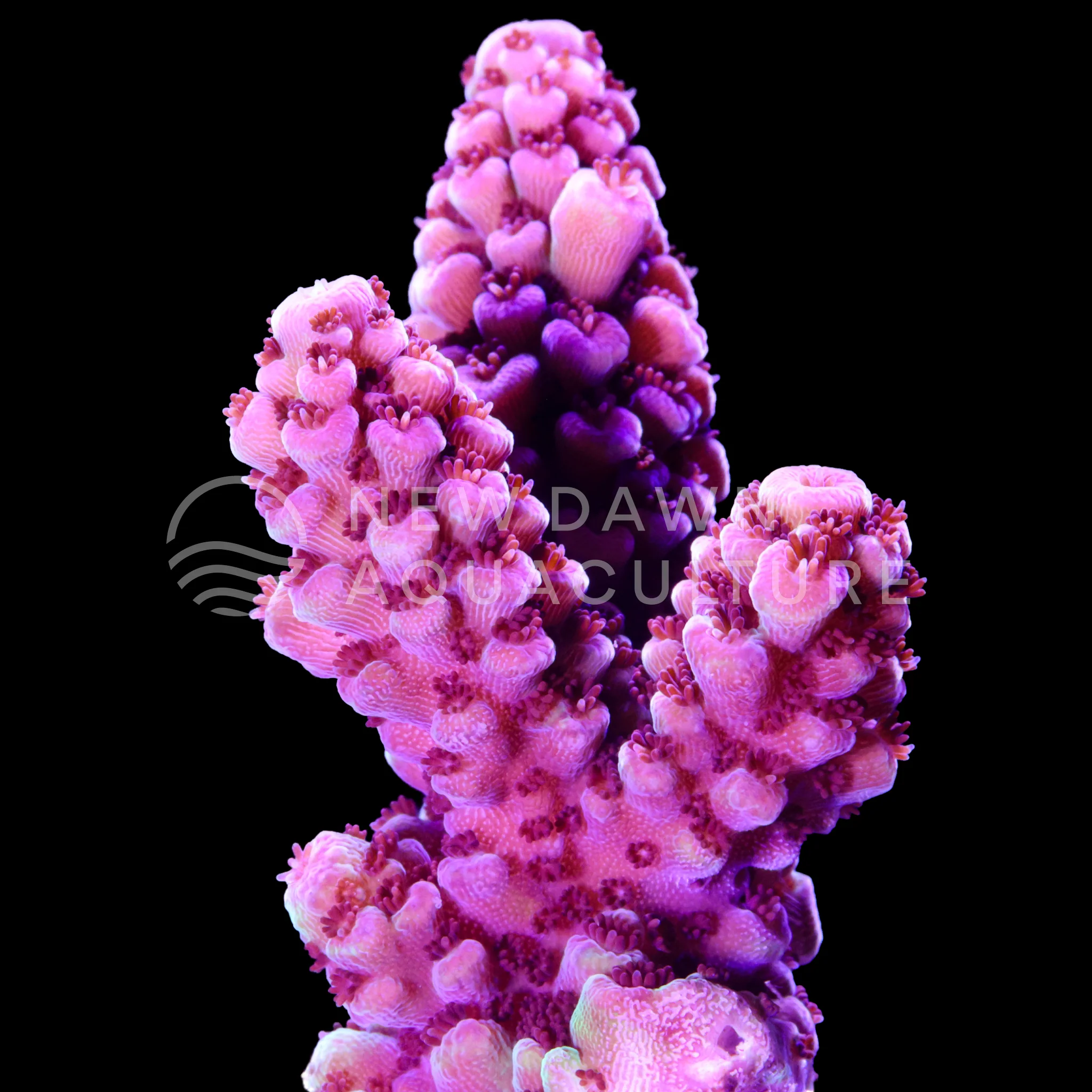
Raspberry Patch Acropora
Raspberry Patch Acropora
Raspberry Patch Acropora
Acropora sp.
Acropora corals are among the most iconic and sought-after small-polyp stony (SPS) corals in reef aquariums. Known for their intricate branching growth and vibrant coloration, they add architectural depth, texture, and movement to established reef systems. Depending on species and lighting, coloration can range from vivid blues and purples to bright greens, pinks, reds, and multi-tone combinations.
| Care Level | Difficult |
| Lighting | High |
| Water Flow | Strong, randomized |
Overview
Successfully maintaining Acropora is often considered the pinnacle of reef keeping. These corals thrive in stable, mature aquariums with consistent water chemistry, strong lighting, and dynamic water movement. When provided with the right environment, Acropora reward the aquarist with steady growth, vibrant coloration, and impressive colony structure.
There are many recognized species within the genus, displaying a wide range of growth forms including branching, tabling, corymbose, and bushy structures. Long-term success comes not from chasing exact numbers, but from maintaining stability over time.
Water Chemistry
Acropora should be kept in a mature reef aquarium with stable parameters. Sudden swings, particularly in alkalinity, are one of the most common causes of stress in SPS corals. Any adjustments to alkalinity, calcium, or magnesium should be made gradually.
Parameters we aim for in our SPS systems:
| Alkalinity | 8 dKH |
| Calcium | 440 ppm |
| Magnesium | 1320 ppm |
| Nitrate | 10 ppm |
| Phosphate | 0.10 ppm |
These represent the balance we maintain in our systems. Every aquarium is different, and your system may naturally settle at slightly different values. Stability within your system’s natural balance is more important than matching another tank exactly.
Flow
Acropora require strong, turbulent, and randomized flow. Polyps should move constantly in varying directions rather than being blasted from a single angle. Proper flow supports gas exchange, keeps tissue clean, and helps prevent detritus buildup within the branches.
As colonies grow and shade themselves, some loss of coloration on the underside can occur. Adequate flow helps maintain healthier tissue throughout the colony structure.
Lighting
Acropora are among the most light-demanding corals commonly kept in reef aquariums. Most varieties perform best in the upper areas of the aquarium under strong reef lighting. We typically maintain our Acropora in the 250–350 PAR range.
Insufficient light may result in browning or muted coloration. If adjustments are needed, increase lighting intensity gradually to avoid stress.
Each specimen is aquacultured and selected for healthy tissue, strong encrustation, and consistent coloration prior to sale.
Original: $36.70
-70%$36.70
$11.01Product Information
Product Information
Shipping & Returns
Shipping & Returns
Description
Raspberry Patch Acropora
Acropora sp.
Acropora corals are among the most iconic and sought-after small-polyp stony (SPS) corals in reef aquariums. Known for their intricate branching growth and vibrant coloration, they add architectural depth, texture, and movement to established reef systems. Depending on species and lighting, coloration can range from vivid blues and purples to bright greens, pinks, reds, and multi-tone combinations.
| Care Level | Difficult |
| Lighting | High |
| Water Flow | Strong, randomized |
Overview
Successfully maintaining Acropora is often considered the pinnacle of reef keeping. These corals thrive in stable, mature aquariums with consistent water chemistry, strong lighting, and dynamic water movement. When provided with the right environment, Acropora reward the aquarist with steady growth, vibrant coloration, and impressive colony structure.
There are many recognized species within the genus, displaying a wide range of growth forms including branching, tabling, corymbose, and bushy structures. Long-term success comes not from chasing exact numbers, but from maintaining stability over time.
Water Chemistry
Acropora should be kept in a mature reef aquarium with stable parameters. Sudden swings, particularly in alkalinity, are one of the most common causes of stress in SPS corals. Any adjustments to alkalinity, calcium, or magnesium should be made gradually.
Parameters we aim for in our SPS systems:
| Alkalinity | 8 dKH |
| Calcium | 440 ppm |
| Magnesium | 1320 ppm |
| Nitrate | 10 ppm |
| Phosphate | 0.10 ppm |
These represent the balance we maintain in our systems. Every aquarium is different, and your system may naturally settle at slightly different values. Stability within your system’s natural balance is more important than matching another tank exactly.
Flow
Acropora require strong, turbulent, and randomized flow. Polyps should move constantly in varying directions rather than being blasted from a single angle. Proper flow supports gas exchange, keeps tissue clean, and helps prevent detritus buildup within the branches.
As colonies grow and shade themselves, some loss of coloration on the underside can occur. Adequate flow helps maintain healthier tissue throughout the colony structure.
Lighting
Acropora are among the most light-demanding corals commonly kept in reef aquariums. Most varieties perform best in the upper areas of the aquarium under strong reef lighting. We typically maintain our Acropora in the 250–350 PAR range.
Insufficient light may result in browning or muted coloration. If adjustments are needed, increase lighting intensity gradually to avoid stress.
Each specimen is aquacultured and selected for healthy tissue, strong encrustation, and consistent coloration prior to sale.